











Introduction to Medical Applications of PDMS Materials
2026/06/01
0
I. Core Properties (Essential for Medical Applications)
- Excellent biocompatibility: The material is non-toxic with low immunogenicity. It can be in direct contact with human tissues and blood, and is applicable to in-vivo implantation and in-vitro cell culture.
- High gas permeability: It features outstanding permeability to oxygen and carbon dioxide, sustaining long-term aerobic metabolism of cells. It serves as a core substrate for organ-on-chips and artificial lungs.
- Super elasticity and flexibility: With an elastic modulus of approximately 1–3 MPa and an elongation at break of over 100%, it can deform synchronously with soft tissues such as lungs and hearts.
- High light transmittance: Its light transmittance exceeds 90% with favorable optical properties, making it suitable for microscopic observation, fluorescence imaging, optical therapy and other scenarios.
- Strong chemical inertness and easy processability: It resists acids, alkalis and most chemical reagents. Micro-nano structures can be fabricated via photolithography and molding at low cost, enabling large-scale production.
II. Key Medical Applications
1. Organ-on-Chips
- Lung-on-chip: Adopting a double-layer porous PDMS membrane structure, it simulates alveolar gas exchange and respiratory deformation of the lungs. It is mainly used for drug toxicity testing and research on the pathogenesis of lung diseases.
- Intestine, liver and heart-on-chips: These chips enable co-culture of cells and microorganisms to construct a three-dimensional physiological microenvironment. They can partially replace animal experiments and accelerate new drug research and development.
2. Artificial Membrane Lungs (ECMO Oxygenators)
The third-generation PDMS microfluidic oxygenator adopts ultra-thin dense membranes paired with shallow blood channels. It delivers high gas exchange efficiency and low risk of plasma leakage, with physiological performance closer to that of natural human lungs.
3. Wearable Medical Sensing Devices
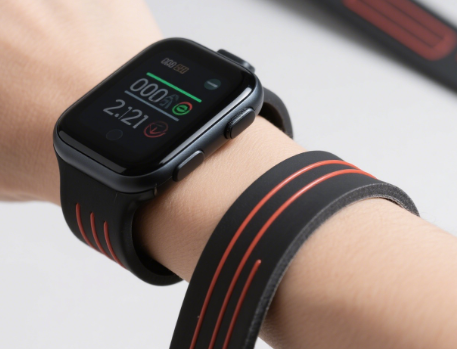
- Flexible electronic skin: Built on a PDMS substrate integrated with microelectrodes and piezoresistive sensing units, it monitors heart rate, respiration, blood pressure and skin tension. The material fits closely to the human body and is not easy to fall off during movement.
- Wound monitoring dressings: Featuring air permeability, waterproofing, antibacterial and anti-adhesion properties, they can detect wound pH values and inflammatory factors in real time to facilitate wound healing.
4. Drug Delivery and Sustained Release Systems
PDMS microporous structures are used to fabricate microneedles and drug sustained-release films for transdermal administration or long-term local drug release. This reduces drug side effects and improves medication adherence.
5. Implant Coatings and Minimally Invasive Diagnostic & Therapeutic Devices
- Applied as a surface coating for catheters and vascular stents to improve blood compatibility and reduce thrombosis and tissue adhesion.
- Manufactured into microfluidic diagnostic chips for Point-of-Care Testing (POCT). These chips can separate blood, nucleic acid and protein samples for rapid screening of infectious diseases and tumor markers.
III. Existing Limitations and Improvement Strategies
- Surface hydrophobicity: It tends to cause non-specific protein adsorption. Plasma treatment, polydopamine modification, collagen
I. Core Properties (Medical Application Demands)
- Superior biocompatibility: Non-toxic and low immunogenic, compatible with human tissues, blood, in-vivo implantation and cell culture.
- High gas permeability: Efficient for oxygen and carbon dioxide transmission, ideal for organ-on-chips and artificial lungs.
- Great elasticity & flexibility: Elastic modulus 1–3 MPa, elongation at break > 100%, matching the deformation of soft tissues.
- High light transmittance: Over 90% transmittance, applicable to microscopic observation, fluorescence imaging and optical therapy.
- Chemically inert & easy to process: Resistant to common chemicals; micro-nano structures are easy to produce at low cost for mass manufacturing.
II. Main Medical Applications
- Organ-on-Chips: Simulate physiological functions of lungs, intestines, liver and heart; replace partial animal experiments to advance drug research.
- ECMO Oxygenators: Third-generation PDMS microfluidic oxygenators with high gas exchange efficiency and low plasma leakage risk.
- Wearable Medical Sensors: Flexible electronic skin and smart wound dressings for real-time vital sign and wound condition monitoring.
- Drug Delivery Systems: Microneedles and sustained-release films for safe and effective transdermal and local drug administration.
- Implants & Diagnostic Chips: Coatings for medical catheters and stents; POCT microfluidic chips for rapid sample testing and disease screening.
III. Limitations & Solutions
- Hydrophobic surface: Causes protein adsorption; improved by plasma treatment, polydopamine or collagen modification.
- Long-term aging: Performance degradation after long-term implantation; optimized via PDMS-silica composite and surface grafting modification.