











Core Feature Support of Low-Odor Two-Component Structural Adhesive
Core Feature Support of Low-Odor Two-Component Structural Adhesive
I. Main Application Fields and Scenario Implementation
(I) Building Curtain Wall and Door & Window Industry
- Glass Curtain Wall Bonding
It is used for structural bonding between glass and aluminum profiles in hidden-frame and semi-hidden-frame curtain walls, replacing traditional high-odor adhesives. In the construction of indoor curtain walls for office buildings, hotels and residences, it reduces occupational health risks for construction workers, and leaves no residual odor after curing, ensuring indoor air quality.
- Assembly of Broken Bridge Aluminum Doors and Windows
It bonds door and window frames with components such as thermal insulation strips and glass beads. It not only meets the structural strength requirements of doors and windows (shear strength ≥ 10MPa, tensile strength ≥ 15MPa), but also avoids odor accumulation of traditional adhesives in the confined cavity of doors and windows, improving residential comfort.
- Bonding of Prefabricated Building Components
It is applied to bond precast concrete components, steel structures and decorative panels. In rapid construction scenarios such as factories and hospitals, its low-odor characteristic can shorten ventilation time for odor dissipation and accelerate project delivery progress.
(II) Automobile Manufacturing and Refitting Industry
- Interior Component Bonding
It bonds interior parts such as dashboards, door panels, ceiling liners and seat guards. Its low VOC emission can reduce in-car odor, meet the requirements of the automotive industry’s Guidelines for Evaluation of In-vehicle Air Quality, and enhance driving and riding experience.
- Structural Component Assembly
It is used for bonding lightweight vehicle body structures (such as aluminum alloy frames and carbon fiber components), replacing part of the welding process. It not only reduces vehicle body weight (helping to improve the endurance of new energy vehicles), but also avoids odor and pollution caused by welding. In addition, the bonded joints are resistant to vibration and impact, ensuring driving safety.
- Battery Pack Sealing and Bonding
It is applied to shell sealing and cell fixing of new energy vehicle battery packs. The low-odor adhesive can withstand high and low temperatures (-40℃~120℃) and chemical corrosion, and releases no odor at the same time, avoiding impact on the stability of internal components of battery packs.
(III) Electronic, Electrical and 3C Industry
- Bonding of Smart Device Shells
It is used for splicing metal/glass shells of mobile phones, tablet computers and smart watches. The low-odor adhesive leaves no residual odor after curing, and has high bonding strength, which can withstand daily drops and extrusion.
- Home Appliance Structural Assembly
It bonds internal structural components of refrigerators, air conditioners and washing machines (such as compressor fixing and panel bonding). Its low-odor characteristic meets the environmental requirements of indoor application scenarios of home appliances, and it is also resistant to moisture and high temperature, ensuring the long-term stable operation of home appliances.
- Electronic Component Encapsulation
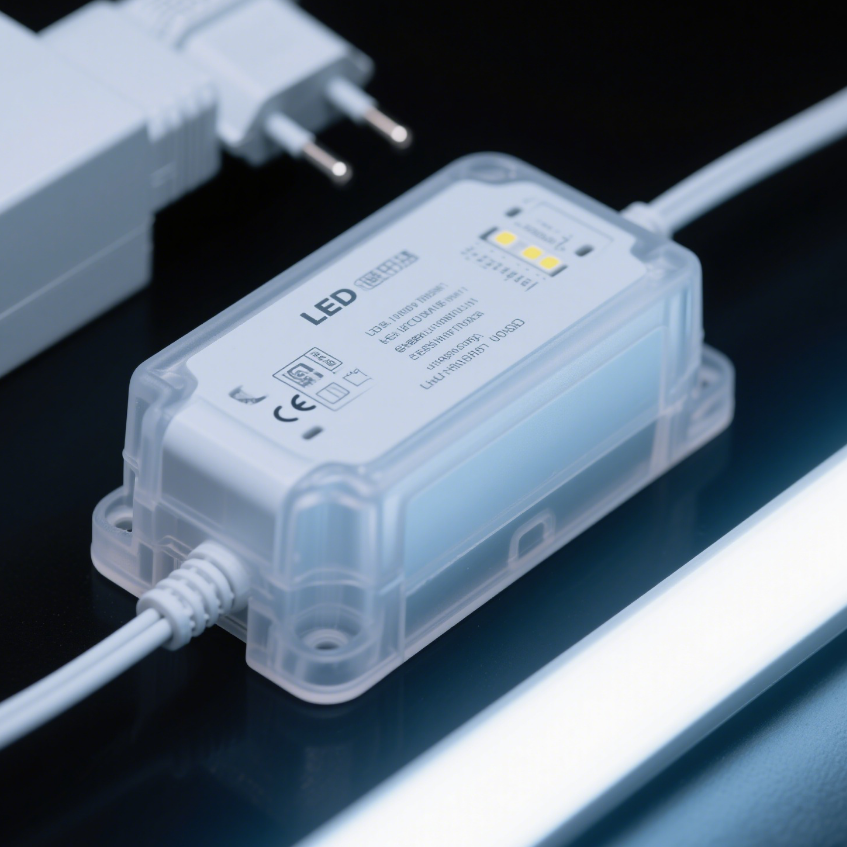
It is applied to encapsulation and bonding of small sensors and circuit boards. Its low-VOC formulation can avoid corrosion of sensitive electronic components, and it has fast curing speed (initial curing in 30 minutes at room temperature, complete curing in 24 hours), improving production efficiency.
(IV) Other Special Fields
- Rail Transit
It bonds interior panels and sound insulation materials of high-speed trains and subways. The low-odor adhesive can reduce odor in the confined carriage environment, ensuring passenger comfort. Meanwhile, it has strong weather resistance and can adapt to the high-low temperature and vibration working conditions of rail transit.
- Medical Equipment
It is used for bonding shells and internal structures of medical instruments (such as ventilators and detectors). Its low-odor and non-toxic characteristics comply with environmental standards in the medical field, avoiding health impacts on medical staff and patients.
- Marine and Offshore Engineering
It bonds marine interior parts and deck anti-slip layers. The low-odor adhesive is resistant to seawater corrosion and ultraviolet radiation, and does not accumulate odor in confined cabins, improving the working environment of crew members.