











Research Report on Innovation and Application of Tactile-Enhanced Electronic Skin for Industrial High-Risk Environments
2026/04/30
0
I. Introduction
1.1 Research Background and Objectives
In the modern industrial sector, operations in high-risk environments have always posed a severe challenge. Industries such as chemical engineering, iron and steel production, and firefighting require workers to operate continuously under extreme conditions including high temperatures, high pressure, severe corrosion, and exposure to toxic and harmful gases. These environments not only seriously endanger workers’ lives and physical health but also impose stringent requirements on operational accuracy and efficiency. Traditional protective gear focuses primarily on physical defense, failing to meet workers’ needs for environmental perception and precise manipulation in extreme working conditions.
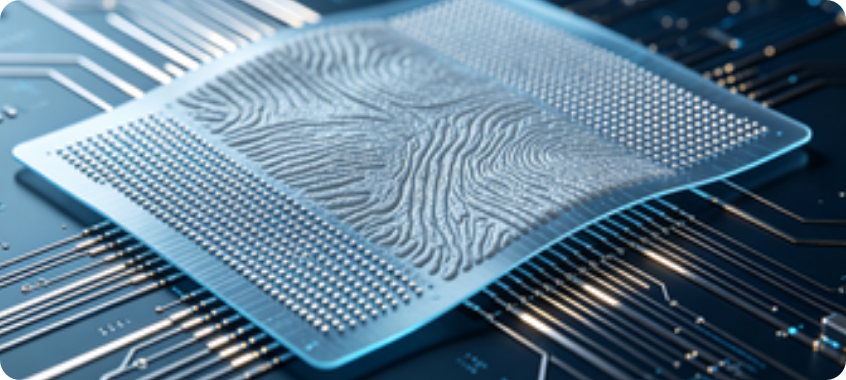
Against this backdrop, research on tactile-enhanced electronic skin has emerged. Its core objective is to improve the operational safety and manipulation accuracy of workers in high-risk environments through innovative technological means. This study centers on industrial-grade tactile-enhanced electronic skin tailored for high-risk industrial scenarios. Optimized for extreme environment operations, it strengthens the integrated functions of tactile extension and safety early warning, effectively compensating for the limitations of conventional protective equipment. Integrated onto the surface of chemical protective suits and high-temperature work garments, the electronic skin is equipped with three-fold sensing capabilities for pressure, temperature, and toxic gas concentration, delivering comprehensive environmental perception for workers. When workers come into contact with hazardous objects, the electronic skin triggers early warnings via micro-current vibration and amplifies tactile signals to vibration modules embedded in gloves. This enables workers wearing heavy protective gear to accurately perceive object features such as shape and hardness. It is of great significance for reducing accident rates and boosting operational efficiency, poised to advance industrial work safety to a new stage and play a vital role in industrial development.
1.2 Research Methods and Data Sources
This study mainly adopts case analysis and literature research methods.
For case analysis, in-depth investigations were conducted across multiple high-risk operation scenarios, including corrosive substance treatment workshops in chemical enterprises, high-temperature forging zones in steel plants, and fire rescue sites. Practical challenges faced by workers and the limitations of existing protective equipment in these scenarios were systematically recorded, providing realistic foundations for the functional design and optimization of tactile-enhanced electronic skin.
For literature research, extensive domestic and international academic papers, patent documents, and industry reports in relevant fields were reviewed. The research status, technological development trends, and application cases of tactile-enhanced electronic skin were comprehensively summarized, drawing on previous research findings and practical experience to establish a solid theoretical foundation for this study.
Data sources fall into three categories: first-hand data obtained from field investigations of high-risk industrial enterprises, covering operational environmental parameters, accident frequency and causes; second, relevant data extracted from academic databases such as Web of Science and CNKI; third, work safety statistical data released by government authorities and industrial development reports published by industry associations. Cross-verified and complementary, these multi-source data ensure the comprehensiveness, accuracy and reliability of research data, strongly supporting the scientific validity of research conclusions.
II. Overview of Tactile-Enhanced Electronic Skin for Industrial High-Risk Environments
2.1 Basic Concepts and Working Principles
Industrial-grade tactile-enhanced electronic skin for high-risk environments is an innovative smart wearable device integrating advanced sensing technology, materials science, and Micro-Electro-Mechanical Systems (MEMS). Its core function is to mimic the tactile perception of human skin, delivering comprehensive and precise environmental feedback for personnel operating in high-risk industrial settings. Structurally, it consists of three core layers: a sensing layer, a signal processing layer, and a feedback layer.
The sensing layer serves as the fundamental component of the electronic skin, integrating pressure, temperature, and toxic gas concentration sensors to monitor changes in external pressure, ambient temperature, and toxic gas levels respectively. Pressure sensors generally adopt piezoresistive or capacitive principles; external force induces changes in internal resistance or capacitance, converting pressure stimuli into electrical signals. Most temperature sensors operate based on thermistor or thermocouple mechanisms, measuring ambient temperature accurately by detecting variations in resistance or thermoelectric potential. Toxic gas sensors leverage electrochemical and optical technologies to specifically detect the concentration of hazardous gases such as carbon monoxide and chlorine.
Acting as the “brain” of the electronic skin, the signal processing layer is composed of microprocessors and signal conditioning circuits. It amplifies, filters, and performs analog-to-digital conversion on raw electrical signals transmitted from the sensing layer, eliminating noise interference and converting analog inputs into digital data for subsequent analysis. Embedded with customized algorithms, the microprocessor analyzes processed signals based on preset thresholds and logical rules to assess real-time environmental conditions and identify potential hazards.
The feedback layer converts processed signals into intuitive sensory cues for operators, mainly comprising micro-current vibration units and glove-mounted vibration modules. Once hazards are identified, the microprocessor immediately activates micro-current vibration stimulation on the skin to deliver safety alerts. Meanwhile, amplified tactile signals are transmitted to glove vibration modules, which generate vibrations of varying frequencies and intensities corresponding to object shape, hardness and other physical properties. This allows workers enclosed in heavy protective equipment to precisely identify object characteristics for safer and more efficient operations.
2.2 Analysis of Core Advantages
2.2.1 Specialized Design Adapted to Extreme Environment Operations
Material selection is optimized to withstand the harsh conditions of extreme industrial environments. For high-temperature scenarios, high-performance heat-resistant polymers such as polyimide and aramid are used as substrate materials. Boasting excellent thermal stability, these materials can operate stably for long durations at temperatures ranging from 200℃ to 500℃ without deformation, aging or performance degradation. High-temperature resistant and insulating ceramic materials and special silicone materials are adopted for sensor encapsulation, protecting precision internal components from thermal damage and ensuring stable and accurate temperature and pressure detection in high-heat conditions.
For chemical industries with frequent exposure to corrosive substances, the outer protective layer of the electronic skin is made of corrosion-resistant fluororubber and polytetrafluoroethylene. Featuring exceptional chemical stability, these materials resist erosion from strong acids, strong alkalis and organic solvents. For instance, fluororubber maintains nearly unchanged physical and chemical properties even after prolonged immersion in 98% sulfuric acid or 37% hydrochloric acid, forming a reliable protective barrier for internal sensors and circuits.
In terms of structural design, a multi-layer composite structure and integrated molding process are adopted. The multi-layer structure maximizes the strengths of each functional layer: the outer protective layer defends against physical impact, chemical corrosion and high temperature; the middle buffer layer disperses external pressure to shield internal sensors and circuits. Integrated molding reduces connection gaps between components, lowering the risk of harmful substance penetration and enhancing overall structural reliability and stability. Additionally, specialized waterproof and dustproof treatment enables IP68 protection rating, supporting stable operation at a depth of 1.5 meters underwater and complete dust resistance to sustain stable performance in harsh industrial environments.
2.2.2 Enhanced Functions of Tactile Extension & Safety Early Warning
The tactile extension function is realized through signal amplification and high-precision feedback mechanisms. When workers make contact with objects, pressure sensors instantly capture pressure variations and convert them into electrical signals. After amplification and analysis by the signal processing layer, unique vibration patterns are generated based on pressure magnitude, distribution and change rate, and transmitted to workers’ hands via glove vibration modules. For example, smooth and hard objects trigger high-frequency, short-cycle vibrations, while rough or soft surfaces produce low-frequency, long-cycle vibrations. This precise tactile feedback extends human perception beyond protective gear, enabling workers to identify object shape, hardness and texture as if making direct contact, greatly improving operational precision and safety.
The safety early warning function relies on a multi-parameter monitoring and intelligent alert system. The integrated triple sensors continuously monitor key environmental parameters. Once any indicator exceeds preset safety thresholds — such as excessive temperature, overloading pressure or toxic gas leakage — the microprocessor instantly captures abnormal signals and activates the early warning system. Intensified micro-current vibration stimulates the skin to alert operators promptly. Furthermore, the system can link with peripheral safety facilities, triggering audible and visual alarms for on-site personnel or transmitting hazard data to monitoring centers to facilitate timely emergency response, effectively preventing accidents and safeguarding workers’ lives.
III. In-Depth Analysis of Innovative Points
3.1 Innovative Integration Mode with Protective Garments
Traditional protective gear features single functionality focused solely on physical protection. The integration of industrial tactile-enhanced electronic skin onto protective clothing achieves the organic combination of protection and environmental perception, pioneering a new direction for intelligent protective equipment. This innovative design not only upgrades the functionality of workwear but also delivers comprehensive safety guarantees and operational convenience for staff working in high-risk areas.
3.1.1 Application Case: Integration with Chemical Protective Suits
Workers in large chemical plants are frequently exposed to corrosive chemicals including sulfuric acid, hydrochloric acid and sodium hydroxide, which cause severe bodily injury upon skin contact. Before the adoption of electronic skin-integrated chemical suits, conventional protective clothing failed to provide effective environmental perception. Workers often suffered operational errors and accidents due to the inability to detect subtle changes in object pressure and temperature. For example, unnoticeable abnormal chemical reactions inside corrosive liquid containers could lead to rupture and leakage, posing major risks to personnel and the surrounding environment.
The deployment of electronic skin-equipped chemical suits has significantly improved operational safety. Built-in pressure sensors monitor gripping force in real time, reminding workers to adjust postures when pressure is uneven or overloaded to prevent container slippage. High-precision temperature sensors trigger immediate alerts upon abnormal temperature rises to facilitate timely risk mitigation such as operation suspension and personnel evacuation. Round-the-clock toxic gas concentration monitoring provides all-round environmental safety protection. According to statistics from the chemical plant, the adoption of electronic skin-integrated suits reduced chemical leakage-related accidents by 70%, drastically improving workplace safety for employees.
3.1.2 Application Case: Integration with High-Temperature Work Garments
In steel forging workshops with ambient temperatures exceeding 50℃, workers are required to manipulate high-temperature metal blanks with precise control. Traditional heat-insulating workwear only provides basic thermal isolation, leaving workers unable to accurately perceive the temperature and shape of metal workpieces and resulting in low operational accuracy and high scald risks.
Electronic skin-integrated high-temperature workwear has resolved these pain points. Real-time temperature monitoring enables workers to grasp optimal processing timing and avoid quality defects caused by improper heating conditions. Pressure sensors detect contact force between tools and workpieces, assisting operators in adjusting processing intensity to meet quality standards. Immediate micro-current vibration alerts are activated upon accidental contact with ultra-high-temperature components to prevent scald injuries. Amplified tactile signals transmitted through glove modules allow clear perception of metal shape and hardness under thick heat-resistant gloves for refined manipulation. In practical application, the steel plant recorded a 30% reduction in product defective rates and a 25% increase in production efficiency after implementing the intelligent workwear, demonstrating prominent practical value in high-temperature industrial operations.
3.2 Analysis of Triple Sensing Functions
The triple sensing system — pressure sensing, temperature sensing, and toxic gas concentration sensing — serves as the core foundation for comprehensive environmental perception and intelligent early warning. Complementary to one another, the three sensing modules deliver multi-dimensional environmental data, enabling workers to respond timely to environmental changes, adopt targeted protective measures, and mitigate operational risks.
3.2.1 Principles and Applications of Pressure Sensing
Pressure sensing is mainly implemented via piezoresistive, piezoelectric or capacitive mechanisms. Taking piezoresistive sensors as an example, their core strain gauges made of semiconductor materials deform under external pressure, causing corresponding resistance changes. A Wheatstone bridge circuit converts resistance variations into voltage signals, which are further processed and amplified to generate electrical outputs proportional to pressure intensity.
Pressure sensing has extensive industrial applications. In mechanical processing, real-time clamping force monitoring ensures appropriate fixture tightness to prevent workpiece displacement or deformation. During heavy lifting operations, pressure sensors detect hand load conditions and issue alerts when overexertion may cause physical harm, reducing occupational injuries and operational failures.
3.2.2 Principles and Applications of Temperature Sensing
Common temperature sensing technologies include thermistors, thermocouples and infrared detection. Thermistor sensors measure temperature by identifying resistance fluctuations with heat variations. Thermocouples utilize the thermoelectric effect of dissimilar metals, generating thermoelectric potential proportional to temperature differences for accurate thermal measurement. Non-contact infrared sensors detect radiant infrared energy emitted by objects to realize rapid temperature detection.
Temperature monitoring is indispensable for high-temperature industrial production. In steel smelting, continuous furnace temperature data supports precise parameter adjustment to stabilize molten steel quality and composition. During high-temperature pipeline inspections, garment-integrated temperature sensors rapidly identify abnormal surface heat caused by leakage or blockage, enabling early fault warning and avoiding industrial accidents.
3.2.3 Principles and Applications of Toxic Gas Concentration Sensing
Toxic gas detection primarily adopts electrochemical and optical sensing technologies. Electrochemical sensors generate electric current through redox reactions of gas molecules on electrodes, with current intensity positively correlated with gas concentration for quantitative hazardous gas analysis. Optical sensors measure light intensity attenuation caused by specific gas absorption of targeted wavelengths to calculate pollutant concentration.
Toxic gas early warning is critical for chemical production. Hazardous gases such as hydrogen sulfide and chlorine generated during petrochemical processes pose fatal threats upon leakage. Real-time concentration monitoring by garment-embedded sensors triggers audible and visual alarms once safety limits are exceeded, prompting rapid evacuation and emergency treatments including ventilation and leak sealing to prevent poisoning incidents. The 24/7 uninterrupted monitoring function also strengthens safety management for hazardous gas storage warehouses.
3.3 Early Warning and Tactile Signal Amplification Mechanisms
The integrated early warning and tactile signal amplification system represents a key technological innovation of the electronic skin, delivering timely hazard reminders and enhanced tactile perception to balance operational safety and manipulation precision.
3.3.1 Micro-Current Vibration Early Warning Mechanism
Early warning triggers are activated by abnormal data captured by the triple sensing system: sudden pressure spikes from collisions, sharp temperature increases exceeding safe operating ranges, and excessive toxic gas concentrations. The microprocessor rapidly identifies abnormal signals and activates micro-current vibration modules. Weak electrical stimulation acts on skin nerve endings to produce distinct vibration alerts, with vibration intensity and frequency dynamically adjusted according to hazard severity for graded risk prompts. Featuring ultra-fast response latency, the mechanism maximizes reaction time for workers and minimizes accident risks.
3.3.2 Transmission of Amplified Tactile Signals to Glove Vibration Modules
Tactile signal transmission starts with pressure sensors capturing contact information, which is converted into electrical signals and purified through amplification and noise reduction processing. Processed tactile data is transmitted to glove vibration modules via wired or wireless connection. Unique vibration modes corresponding to object hardness, texture and shape enable workers to distinguish surface characteristics through tactile feedback. This mechanism effectively compensates for tactile degradation caused by thick protective gloves, supporting refined operations such as pipeline defect inspection in chemical engineering by capturing subtle surface variations.
IV. Case Analysis of Practical Applications
4.1 Application Cases in the Chemical Industry
4.1.1 Operational Implementation in a Chemical Enterprise
A large-scale chemical manufacturer specializing in chemical raw materials and fine chemical products faces persistent high safety risks due to widespread exposure to corrosive and toxic substances. To improve high-risk operation safety, the enterprise introduced chemical protective suits integrated with industrial tactile-enhanced electronic skin at a designated time.
Initial application encountered technical and adaptive challenges. Docking failures between electronic skin sensors and existing safety monitoring systems caused data transmission instability, including delayed and fluctuating toxic gas concentration readings, hindering real-time environmental monitoring. Meanwhile, workers required adaptation to the new equipment: unexpected vibration alerts triggered by misoperation disrupted workflow, and inconsistent tactile feedback complicated rapid object characteristic judgment.
The enterprise collaborated closely with the R&D team to optimize system performance. Upgraded signal transmission modules and optimized communication protocols enhanced data stability and system compatibility. Specialized training programs were launched to familiarize employees with equipment principles, operational specifications and early warning mechanisms, effectively improving staff adaptability and operational proficiency.
4.1.2 Application Effects and Data Analysis
Long-term implementation delivered remarkable safety and operational improvements. Comparative safety statistics indicated a notable decline in chemical exposure accidents: the number of safety incidents dropped significantly after equipment deployment, with a sharp reduction in accidents caused by delayed hazard perception. Operational error rates in container handling and pipeline connection decreased substantially, lowering collision and leakage risks during chemical transportation. Moreover, 24-hour toxic gas monitoring successfully prevented multiple potential poisoning accidents caused by sudden gas leakage, forming a robust active safety defense system.
4.2 Application Cases in the Iron and Steel Industry
4.2.1 Operational Implementation in a Steel Plant
A long-established integrated steel producer with extensive high-temperature forging and smelting processes faces prominent operational challenges. Extreme workshop temperatures and limited workpiece perception under traditional heat-insulating clothing result in low forging accuracy and frequent scald accidents. The plant equipped workers with high-temperature workwear embedded with tactile-enhanced electronic skin to address these issues.
In forging operations, garment-integrated temperature sensors transmit real-time workpiece temperature data to smart wearable terminals for optimal processing timing control. Pressure sensors capture contact force between forging tools and metal blanks, feeding back adjustable vibration cues via gloves to standardize processing intensity. In large steel ingot production, precise temperature monitoring replaced experience-based judgment, ensuring uniform internal metal structure and high-quality finished products. Vibration feedback also assisted workers in controlling forging angles and force for standardized production.
4.2.2 Application Effects and Data Analysis
The application of intelligent high-temperature workwear comprehensively optimized production and safety indicators. Product defective rates dropped markedly benefited from precise temperature and force control throughout processing. Scald accident frequency decreased significantly with instant high-temperature contact early warnings, greatly improving occupational safety. Additionally, optimized operational control shortened single-piece processing time, lifting overall production efficiency and creating substantial economic benefits for the enterprise.
V. Market Prospects and Development Trends
5.1 Market Scale and Growth Forecast
Driven by accelerated industrial automation and rising emphasis on high-risk workplace safety, the global market for industrial tactile-enhanced electronic skin maintains robust growth momentum. The global electronic skin market reached approximately 10.9 billion US dollars in 2024. Although the industrial high-risk application segment accounts for a relatively small share, it registers rapid annual growth of 15%–20%, fueled by surging demand for intelligent protective gear in chemical, steel and other high-risk industries.
Market expansion is projected to accelerate in the coming years. The global electronic skin market is expected to reach 37.1 billion US dollars by 2030, with a 23% compound annual growth rate. The industrial high-risk electronic skin segment will achieve even faster growth of 25%–30% annually. Key driving factors include increasing corporate investment in workplace safety upgrades, continuous technological maturation, and declining manufacturing costs, which collectively enhance product cost performance and stimulate market demand.
5.2 Technological Development Trends
In materials research, future development will focus on high-performance flexible materials with superior high-temperature resistance and anti-corrosion properties. Further optimization of nanomaterials such as graphene and carbon nanotubes will enhance electrical conductivity and extreme environmental stability. New flexible polymer composite materials will be developed to balance flexibility, durability and cost control for large-scale industrial promotion.
In sensing technology, multi-modal sensor fusion will become a mainstream development direction. Beyond existing pressure, temperature and toxic gas detection, future electronic skin will integrate humidity, strain and other sensing functions to realize full-coverage environmental monitoring. Continuous improvements in sensor sensitivity, resolution and response speed will meet the high-precision detection requirements of sophisticated industrial production.
In signal processing, the integration of artificial intelligence and machine learning will strengthen the independent analysis and decision-making capabilities of electronic skin systems. Intelligent algorithms will realize accurate environmental risk assessment and customized operational guidance. Optimized signal transmission technology will further improve data real-time performance and stability to support efficient human-machine interaction.
5.3 Industrial Application Expansion Trends
Beyond the chemical and steel sectors, tactile-enhanced electronic skin holds broad application potential across diverse high-risk industries:
- Firefighting: Integrated into firefighting suits to monitor ambient temperature, toxic gas concentration and vital signs of firefighters, delivering disaster environment early warnings and improving refined rescue capabilities in smoky conditions.
- Mining: Installed on work uniforms and safety helmets to monitor gas density and rock stratum pressure, providing advance warnings for gas explosion and roof collapse risks for underground operation safety.
- Nuclear Industry: Equipped with radiation dose sensors to realize real-time radiation exposure monitoring. The tactile extension function supports precise operation of nuclear equipment under heavy radiation-proof suits, securing nuclear production stability.
VI. Challenges and Countermeasures
6.1 Technical Challenges
6.1.1 Signal Stability and Accuracy
Complex industrial environments introduce severe interference factors affecting signal quality: electromagnetic radiation from intensive electrical equipment causes sensor signal fluctuation and distortion; high humidity and corrosive atmospheres erode circuit components and alter transmission impedance; frequent body movements lead to relative displacement between electronic skin and clothing, resulting in poor circuit contact.
Countermeasures include adopting metal shielding layers for signal circuits to isolate electromagnetic interference, and developing anti-interference sensor chips and circuit structures. Signal error correction and compensation algorithms are deployed to eliminate environmental interference and calibrate abnormal data, ensuring long-term stable and accurate signal output.
6.1.2 Sensor Durability
Industrial service conditions accelerate sensor aging and damage: prolonged high temperature induces thermal deformation of internal structures and reduces sensing sensitivity; corrosive media erode shell components and shorten service life; continuous mechanical vibration loosens welding points and fractures circuits.
Solutions involve adopting ceramic composite encapsulation materials for high corrosion and temperature resistance, and optimizing structural design with elastic buffer layers to enhance shock resistance. Regular inspection and maintenance mechanisms are established for timely replacement of aging and damaged sensors to sustain continuous and stable equipment operation.
6.2 Cost Challenges
High manufacturing costs restrict the large-scale popularization of industrial tactile-enhanced electronic skin. High-performance special materials such as graphene and fluororubber carry high raw material and processing costs. High-precision sensor microfabrication and low-power circuit design rely on sophisticated production equipment, driving up manufacturing expenses. Sustained R&D investment also increases early product costs.
Cost reduction approaches include expanding production scale to achieve raw material procurement scale effects and amortizing fixed costs. Technological innovation optimizes material synthesis and circuit design processes to simplify production and lower material consumption. Cross-industry industrial chain cooperation promotes resource sharing and collaborative innovation to reduce overall industrial costs.
6.3 Suggested Countermeasures
In terms of technological R&D, increase investment in core electronic skin technologies and promote industry-university-research cooperation between universities, research institutions and enterprises. Basic research institutions advance cutting-edge material and sensing technologies, while industrial enterprises accelerate technological transformation and product iteration to enhance equipment intelligence and reliability.
In terms of industrial cooperation, build a coordinated industrial ecosystem linking electronic skin manufacturers, protective gear producers and high-risk industrial enterprises. Customized product development based on industry-specific operational demands promotes iterative optimization of products and expands diversified application scenarios.
In terms of policy support, introduce targeted incentive policies including tax reductions and financial subsidies for R&D and production enterprises. Special scientific research funds support key technological breakthroughs in electronic skin. Unified industry standards and safety specifications will standardize market development, guarantee product quality, and foster a healthy industrial development environment.
VII. Conclusion and Prospects
7.1 Research Conclusions
Equipped with integrated pressure, temperature and toxic gas triple sensing functions, industrial tactile-enhanced electronic skin achieves all-round real-time perception of high-risk operating environments and rapid identification of potential hazards. The innovative micro-current vibration early warning system and glove-based amplified tactile feedback design significantly enhance workers’ operational safety and manipulation accuracy. Verified by practical application effects in chemical and steel industries, the electronic skin effectively reduces safety accident rates, improves operational precision and boosts production efficiency, demonstrating outstanding practical value and broad application prospects for high-risk industrial operations.
7.2 Future Research Prospects
Future research will focus on developing next-generation high-performance materials to further enhance the extreme environmental adaptability of electronic skin, including ultra-sensitive sensor materials and high-stability flexible substrate materials. Application scenarios will be continuously expanded to cover firefighting, mining, nuclear energy and other high-risk fields, with customized functional optimization for diverse industrial demands. Continuous technological upgrading and industrial promotion will further empower intelligent and safe industrial production, providing comprehensive technical guarantees for the high-quality and sustainable development of modern high-risk industries.