











Application of electromagnetic shielding materials for Low-Altitude Aircraft
I. Application Scenarios: Imperative Electromagnetic Protection for Low-Altitude Flight
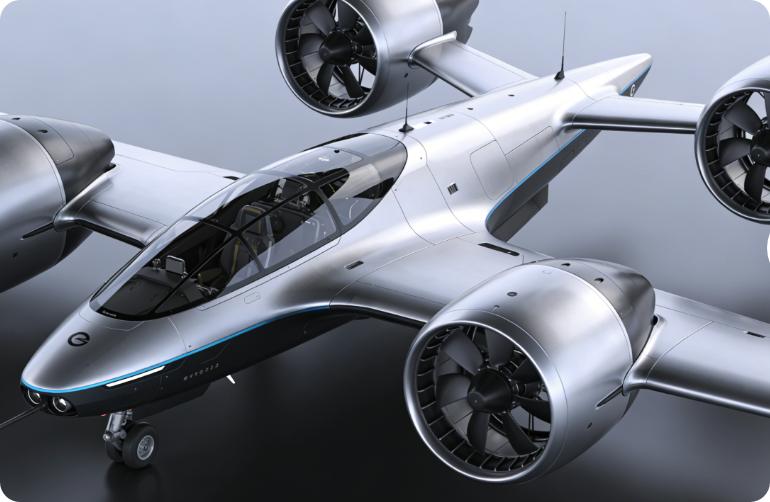
eVTOL
-
Protection of core electronic components
Flight control systems, radar communication modules, and Battery Management Systems (BMS) must resist electromagnetic radiation from 5G base stations, industrial equipment, and other aircraft to avoid signal distortion and consequent loss of control.
For example, drone shielding covers mass-produced by Mingtai Aluminum Industry have been applied in volume for electromagnetic protection of flight control systems.
-
Integration into fuselage and structural components
Fuselage skins, rotor blades, and cockpit shells must balance lightweight performance and shielding effectiveness. Especially in dense urban airspace, they need to resist both external interference and electromagnetic leakage from internal electronic equipment.
-
Enhanced protection for special scenarios
Military reconnaissance drones need to counter directional jamming devices (e.g., ZK-1000P jamming guns covering the 30M–6G frequency band);
Logistics drones operating in strong electromagnetic environments such as high-voltage power grids and airport peripherals require wide-band shielding capabilities.
-
Support for ground support systems
Electromagnetic shielding for charging piles, command and dispatch centers, and maintenance workshops to avoid interference from ground equipment during aircraft takeoff and landing.
II. Core Material Types and Technical Parameters
| Material Category | Representative Product | Shielding Effectiveness (SE) | Core Advantages | Typical Application Scenarios |
|---|---|---|---|---|
| Metallic Conductive | Silver powder epoxy shielding coating | 70–100 dB | Optimal conductivity, high stability | High-end RF modules, precision radar |
| Metallic Conductive | Silver-coated glass bead coating | 50–80 dB | Lightweight, excellent curved-surface coverage | Drone casings, flexible structural parts |
| Carbon-based Conductive | Graphene epoxy coating | 40–70 dB | Ultra-thin (10–30 μm), acid and alkali resistance | FPC, wearable device components |
| Carbon-based Conductive | Carbon nanotube (CNT) coating | 45–75 dB | Stable at high frequencies, dense network | Millimeter-wave devices, high-speed PCBs |
| Magnetic Wave-absorbing | Ferrite wave-absorbing coating | 35–65 dB | Suppresses secondary reflection, strong low-frequency performance | Power modules, inverters |
| Composite | 3D graphene-reinforced magnesium matrix material | 76.70 dB | Lightweight, high specific strength | Aerospace vehicle structural parts |
| Composite | “Bojing No.1” wave-absorbing material | High-efficiency wide-band absorption | Ultra-thin (0.83 mm), excellent weather resistance | Multi-scenario general drone protection |
- SE ≥ 60 dB meets military / automotive standards
- SE ≥ 40 dB meets consumer electronics standards
- SE ≥ 30 dB meets household / office standards
III. Key Technological Breakthroughs and Innovation Paths
-
3D interconnected structure design
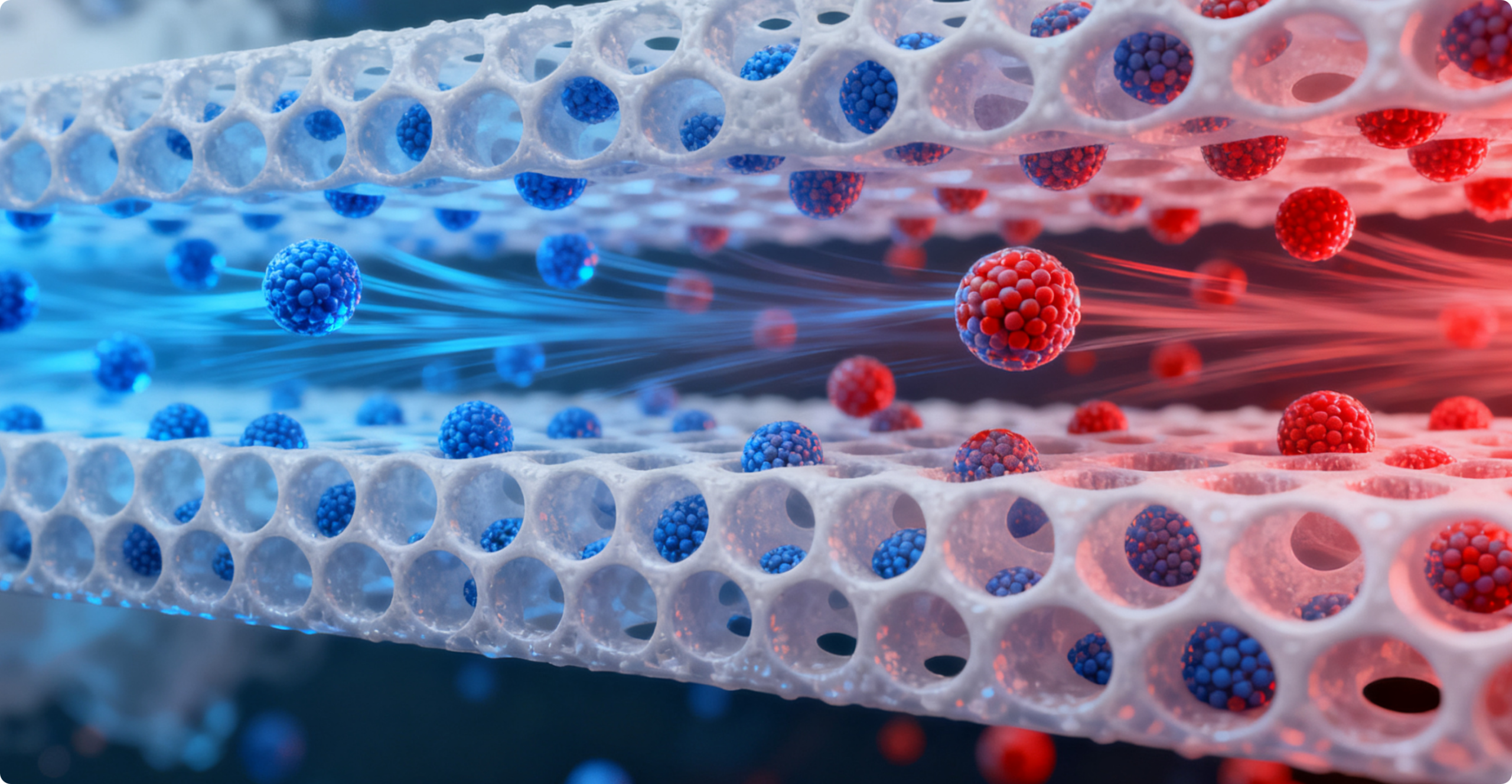
A team from Northwestern Polytechnical University adopted the strategy of “3D skeleton pre-construction – infiltration filling”. Using a bubble-induced self-assembly method, they constructed a 3D graphene network and formed a pyrolytic carbon–magnesia nano-transition layer in the magnesium matrix.
The electromagnetic shielding effectiveness of the composite reached 76.70 dB, with compressive strength increased by 58.62%, perfectly solving the dilemma of “synergy between lightweight and high performance”.
-
Ultra-wideband absorption technology
The “Bojing No.1” developed by Chengdu University of Technology pioneered the “2DAC-MLC” composite structure and Fe₃Si multi-scale magnetic response units, achieving high-efficiency absorption over the ultra-wide frequency band of 10.2 MHz–15.4 GHz at a thickness of only 0.83 mm.
Mass production cost is reduced by more than 30% compared with imported products, and pilot verification has been completed.
-
Multi-functional integrated optimization
Self-healing conductive shielding coatings (dynamic covalent resin + silver/graphene) feature micro-crack self-repair capability, with SE of 50–80 dB, suitable for high-reliability applications such as automotive and aerospace.
Water-based eco-friendly coatings have low VOC emissions, meeting environmental requirements for medical cabins, indoor dispatch centers, and similar scenarios.
IV. Industrial Practice and Application Cases
-
Aerospace-grade applications
3D graphene-reinforced magnesium matrix composites have entered the supply chain for electronic components such as satellites and radar, providing technical support for stable equipment operation in complex and harsh environments, and are expected to expand to eVTOL primary structural components.
-
Mass production of civil drones
With AS9100 aerospace certification, Mingtai Aluminum Industry has achieved mass production and supply of drone shielding covers, entering the supply chain of core functional components for low-altitude aircraft. The technology can be transferred to eVTOL structural component production.
-
Anti-“black flight” protection supporting
“Bojing No.1” wave-absorbing material is in industrial cooperation negotiations with multiple enterprises, mainly used for the modification and upgrade of consumer drones to resist illegal interception by directional jamming equipment and ensure the safety of legal operations such as logistics and mapping.
-
Customization for special scenarios
Carbonyl iron / sendust wave-absorbing coatings, featuring wide frequency and high-temperature stability, have been applied in military reconnaissance drones to counter frequency-band jamming from practical anti-drone equipment such as ZK-1000P.
V. Future Development Trends and Challenges
1. Technology iteration directions
(2) Wide-band integration: Develop materials covering the full frequency band of 1 MHz–40 GHz to adapt to the electromagnetic environment of the 5G-A and 6G era.
(3) Intelligent adaptation: Integrate sensors and self-healing technology to realize dynamic adjustment of shielding effectiveness.
2. Challenges in industrial implementation
(2) Airworthiness certification: Shielding materials must meet aviation standards including fatigue resistance and temperature resistance (-20℃~55℃), with long certification cycles.
(3) Supply chain collaboration: Establish a closed loop of “material R&D – complete machine testing – scenario verification” to shorten the industrialization cycle of new technologies.
3. Market opportunities
High-end composite materials will show the fastest growth, driven by dual demands from military and civilian markets.
Email: zhengzhen@nqrubber.com
Mobile: 13243809168